

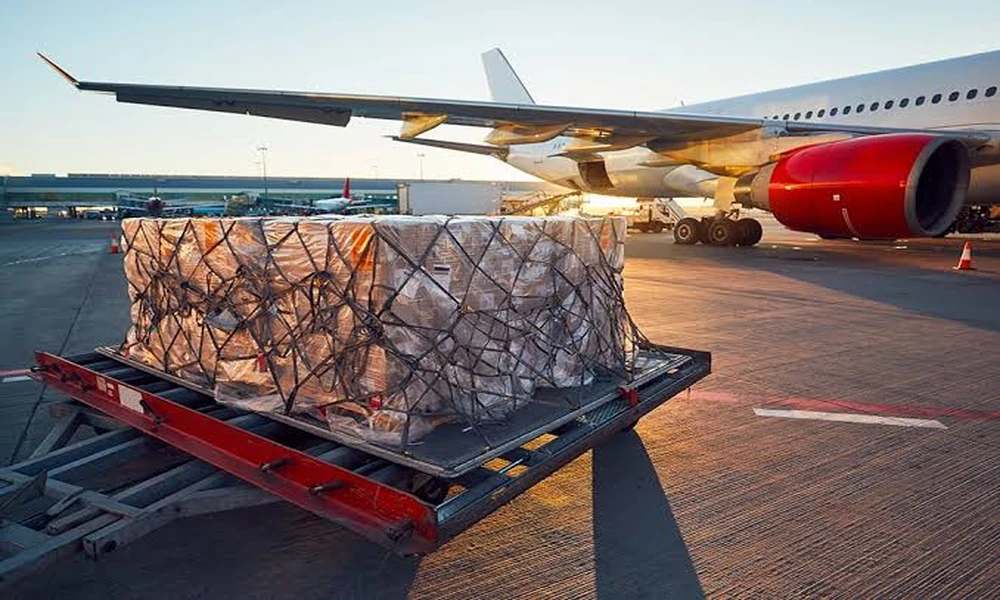
The transportation of energy storage systems is accomplished through many different types of logistics systems, and every type of system is subject to its own set of international safety standards. Logistics managers need to adhere to specific hazardous materials guidelines when shipping lithium batteries on flights. The risk of cargo damage is increased significantly due to the drop in air pressure and temperature fluctuations that occur during flights.
On the other hand, trucking operations on highways have far fewer requirements for containment and are able to carry larger loads. By planning ahead, you will be able to minimize costly delays in transit and ensure full compliance with all applicable regulations.
Air Transport Capacity Limits and State of Charge Standards
Flight safety regulations require heavy-duty UN-specified boxes with special fire-retardant insulation layers. Most ground-based carriers allow for standard corrugated cardboard boxes for routine regional shipments.
Rigorous Packaging and Outer Container Standards
Due to international flight safety regulations, standalone power cells cannot be carried inside the cargo area of a passenger airplane. As such, logistics companies must arrange for separate cargo flights to transport large amounts of power supplies.
Mandatory Dangerous Goods Documentation and Verification Steps
Flight Safety Guidelines state that all dangerous items must be shipped in heavy-duty, UN-approved boxes with special fire-retardant insulation layers. Standard corrugated cardboard boxes are acceptable for regional shipments by ground logistics companies. Full Hazardous Materials Declarations are required for all energy shipments on air logistics networks. Safety Inspectors will review the documentation before allowing cargo to be loaded onto flights.
• Certified Dangerous Goods Forms must accompany every air shipment.
• Emergency Contact Numbers must be available at all times throughout the entire transit of the shipment.
• UN Identification Numbers must be clearly visible on the outside of each package at all times.
• Shippers must provide detailed UN Technical Test Summary Documentation.
• Proper Hazardous Class Shipping Labels must cover the entire exterior surface area of the package.
Passenger Aircraft Prohibitions and Dedicated Cargo Routing
The use of stand-alone power cells is prohibited in passenger aircraft cargo holds per international flight safety regulations. As such, logistics companies must operate dedicated cargo flights to move large volumes of power supplies.
• Dedicated freighter aircraft are operated solely for the purpose of moving bulk hazardous energy shipments.
• Combined passenger and freight cargo may be moved via ground-based transportation systems.
• Regional truck networks offer flexibility in terms of routing; however, they are not subject to the same strict flight schedules as airlines.
• Surface transportation does not require the high hazardous material surcharge fees that major air carriers charge.
By performing appropriate safety checks, the global supply chain can be protected from unforeseen hazardous thermal events. Freight professionals use specialized shipping lithium batteries to maintain cargo security across international borders. Specialized packaging provides shock absorption while providing constant isolation of electrical terminals. Air transportation requires continuous monitoring because enclosed flight holds present unique emergency risks.
Hazardous Energy Transport Questions and Answers
· Why do flight networks enforce a thirty percent state of charge limit? Lowering energy levels prevents thermal runaway risks inside pressurized cargo compartments.
· Can standalone energy cells travel on standard commercial passenger flights? International aviation regulations prohibit standalone energy cells inside passenger plane holds.
· What packaging label is mandatory for flight logistics? Outer boxes must feature class nine hazardous goods labels and cargo aircraft markings.
· Is specialized dangerous goods training required for ground shipping staff? Ground workers need basic hazardous handling instruction rather than full aviation safety certification.
Mastering Aviation Freight Compliance
The use of air transportation is regulated by international dangerous goods laws. Air transportation has many costs associated with it; however, if you choose to use ground transportation, then you will not have to worry about these costs or the documentation needed for flights. Proper packaging will help protect your energy cells from both environmental hazards and physical damage. Working with a certified logistics provider will ensure that your company meets all of the regulatory requirements and delivers your product on time. A complete safety plan will allow for the safe delivery of your products through each of the different types of transportation used throughout the world.